
Africa's Waste Economy Runs on Invisible Labor
WHY NOW: Waste volumes in Sub-Saharan Africa (an $18B market) are rising 3–5% annually and new Extended Producer Responsibility (EPR) regulations are compelling the sector to formalize. The material, collectors, and buyers exist; a connected, traceable, and financeable infrastructure does not.
Invisible to Finance
Collectors recover millions of tonnes annually, yet remain informal and invisible to formal financial institutions. Without transaction histories, they are locked out of credit, insurance, and working capital.
Polluting Our Cities
With over 22,000 tonnes generated daily in Kenya, municipal dumpsites overflow, uncollected plastics choke urban drainage channels, and informal open burning creates hazardous public health crises.
Fragmented Supply Chain
An undocumented, predatory middle-agent supply chain leaves industrial recyclers short of predictable, traceable material needed to satisfy emerging corporate Extended Producer Responsibility (EPR) mandates.
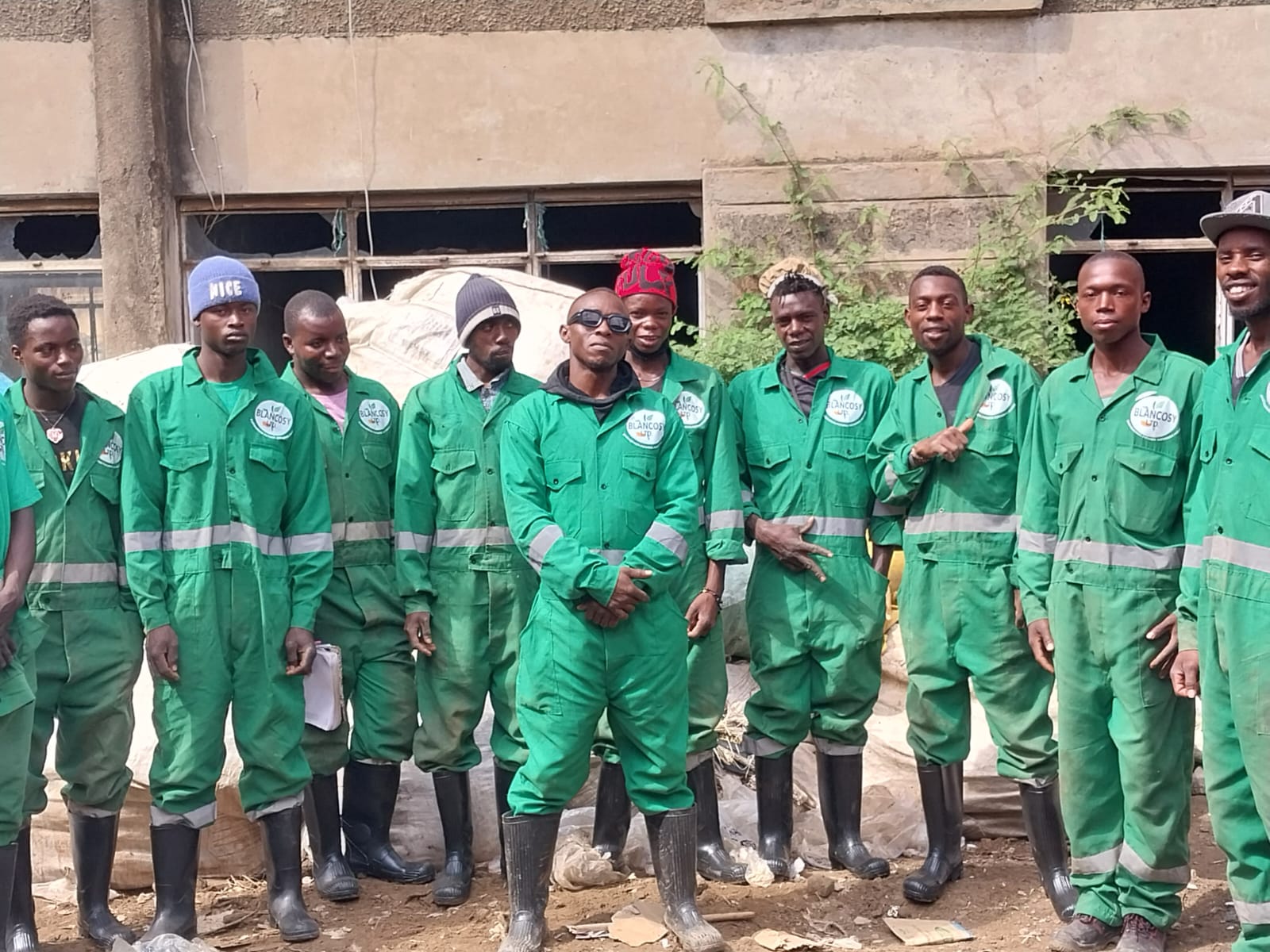
We Already Operate Inside This Economy
Blancosy is not a hypothesis. We operate a live collection and recycling network today, with real collectors, real transactions, and real revenue. What we are building now is the intelligence layer that lets this network scale across Africa.